
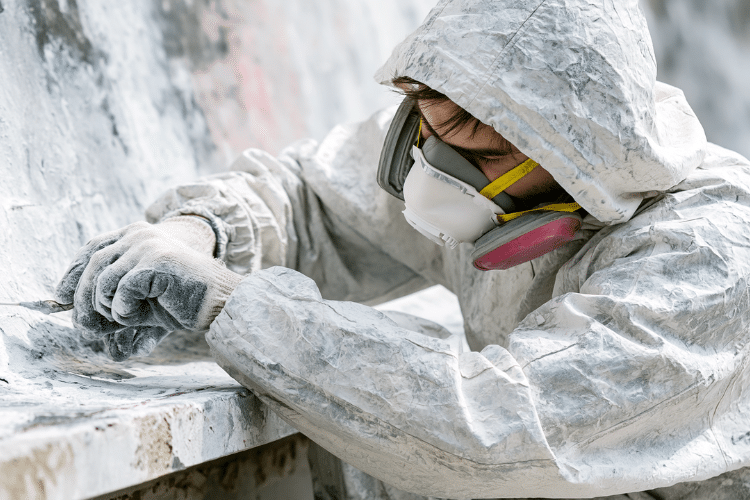
If your work involves maintenance, refurbishment, construction, or property management, you may have come across the term non-licensed asbestos work. Understanding what it means is important because carrying out work on asbestos-containing materials without the correct controls or training can put workers at risk and expose employers to compliance issues.
This guide explains what non-licensed asbestos work is, what types of tasks may be included, what non-licensed asbestos removal means, and what training may be required.
What Is Non-Licensed Asbestos Work?
Non-licensed asbestos work refers to lower-risk work involving certain asbestos-containing materials that does not require a licence from the Health and Safety Executive.
A licence may not be required, but the work is still hazardous. Employers and workers must still follow strict safety procedures, carry out risk assessments, use appropriate controls, and ensure anyone undertaking the work has received suitable training.
The level of risk depends on:
- The type of asbestos-containing material
- The condition of the material
- How likely the task is to release fibres
- The duration and frequency of the work
- The method used to complete the task

What Is Non-Licensed Asbestos?
Non-licensed asbestos is not a separate type of asbestos. The phrase is commonly used to describe asbestos-containing materials that may be involved in non-licensed work because they are lower risk when handled correctly.
Examples can include:
- Asbestos cement roof sheets
- Asbestos cement gutters and downpipes
- Water tanks
- Certain floor tiles
- Some textured coatings
These materials are still hazardous and should always be treated with caution.

What Are Non-Licensed Tasks With Asbestos?
The classification depends on the material, its condition, and the work being carried out. Common examples of non-licensed tasks may include certain work involving intact asbestos cement products, minor maintenance activities, removal of some floor tiles, or controlled work on specific textured coatings.
Because classification can be complex, organisations should always complete a suitable risk assessment and seek competent advice before starting work.
What Is Non-Licensed Asbestos Removal?
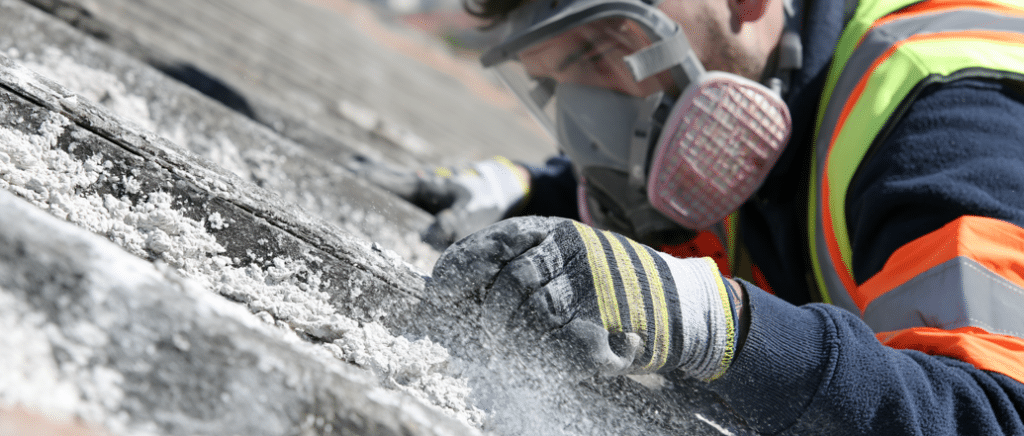
Non-licensed asbestos removal refers to removal work involving certain lower-risk asbestos-containing materials that does not require a licensed asbestos contractor.
This can apply where the material is less likely to release fibres and the work can be carried out safely using appropriate control measures. However, non-licensed removal still requires proper planning, safe systems of work, suitable equipment, training, and correct waste handling.
What Is the Difference Between Licensed and Non-Licensed Asbestos Work?
Licensed Asbestos Work
Licensed asbestos work is higher-risk work that generally requires a contractor licensed by the Health and Safety Executive. This often involves more friable asbestos-containing materials where fibres can be released more easily.
Non-Licensed Asbestos Work
Non-licensed asbestos work involves lower-risk activities that may be carried out without an asbestos licence, provided the correct controls are in place. Employers remain responsible for protecting workers and ensuring legal compliance.
Do Workers Need Training for Non-Licensed Asbestos Work?
Yes. Anyone who may encounter asbestos during their work should receive appropriate training. The level of training depends on the task.
Asbestos Awareness Training
Asbestos awareness training is for workers who may encounter asbestos but are not expected to intentionally work on or remove asbestos-containing materials. It helps workers recognise risks and avoid accidental disturbance.
Non-Licensed Asbestos Work Training
Workers carrying out non-licensed asbestos work may need additional task-specific training. This training covers safe working methods, control measures, PPE and RPE requirements, decontamination, waste handling, and legal responsibilities.
Why Training Matters
Non-licensed does not mean low importance. Workers can still be exposed to harmful asbestos fibres if tasks are not planned and controlled properly.
Proper training helps organisations protect employees, meet legal obligations, reduce exposure risk, improve safety standards, and demonstrate compliance during audits or inspections.
Non-Licensed Asbestos Training in Dorset
If your employees may encounter asbestos during maintenance, refurbishment, installation, or removal activities, it is important to ensure they receive the correct level of training through a non-licensed asbestos work course.
Ouch Learning & Development delivers asbestos training from our dedicated Wimborne training centre, helping businesses across Bournemouth, Poole, Christchurch, and wider Dorset stay compliant while minimising disruption to daily operations.
Our local training model offers:
- Convenient Wimborne location
- Free on-site parking
- Easy access from Bournemouth, Poole, and Christchurch
- Regular course availability
- Experienced trainers
- Simple booking process
- Reliable certification
Unsure What Asbestos Training Your Team Needs?
The difference between asbestos awareness training and non-licensed asbestos work training is not always obvious. If you are unsure which course is appropriate, Ouch can help you identify the most suitable option for your team.
Whether you are training one employee or planning compliance training for a wider workforce, we will help you keep your business compliant without unnecessary disruption.
View upcoming asbestos training dates or contact Ouch today to discuss your requirements.
Note: This guide is for general information only. Always seek competent advice before carrying out work that may involve asbestos-containing materials.
References and useful guidance
The following sources may be useful if you want to understand asbestos training duties in more detail:
- Health and Safety Executive: Asbestos health and safety guidance
- Health and Safety Executive: Asbestos information, instruction and training
- Control of Asbestos Regulations 2012
- HSE Managing and working with asbestos: Approved Code of Practice and guidance L143
- UKATA asbestos awareness training guidance